

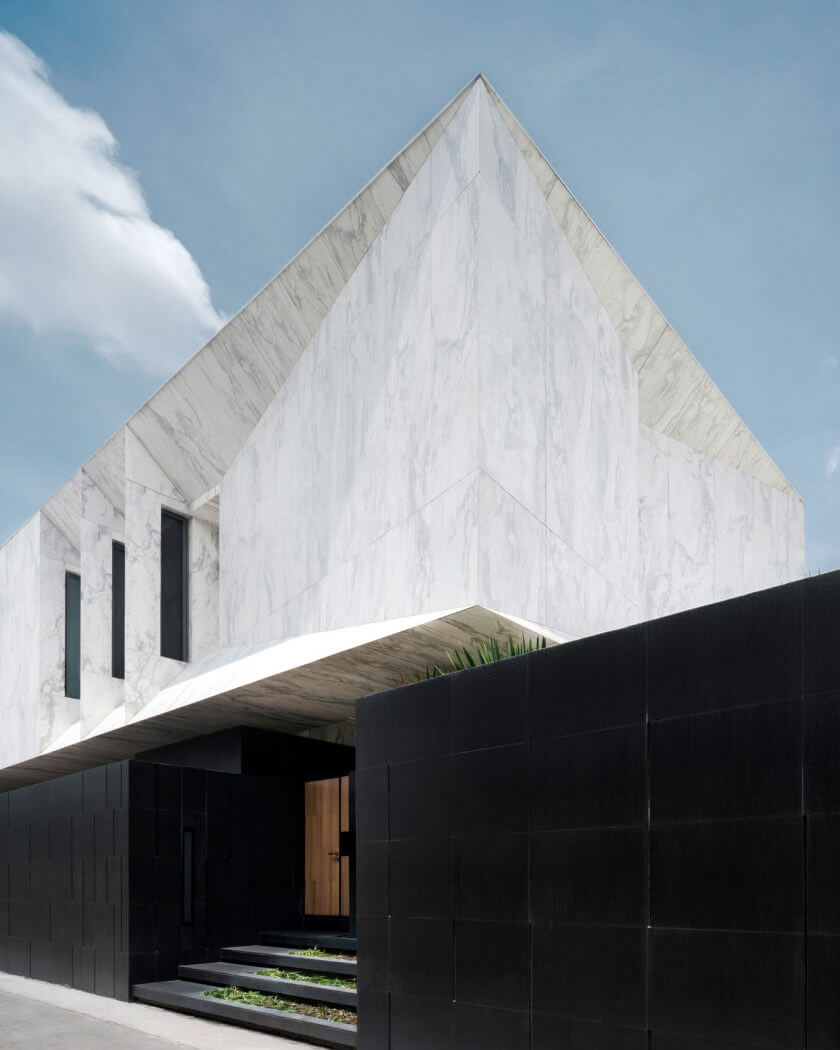
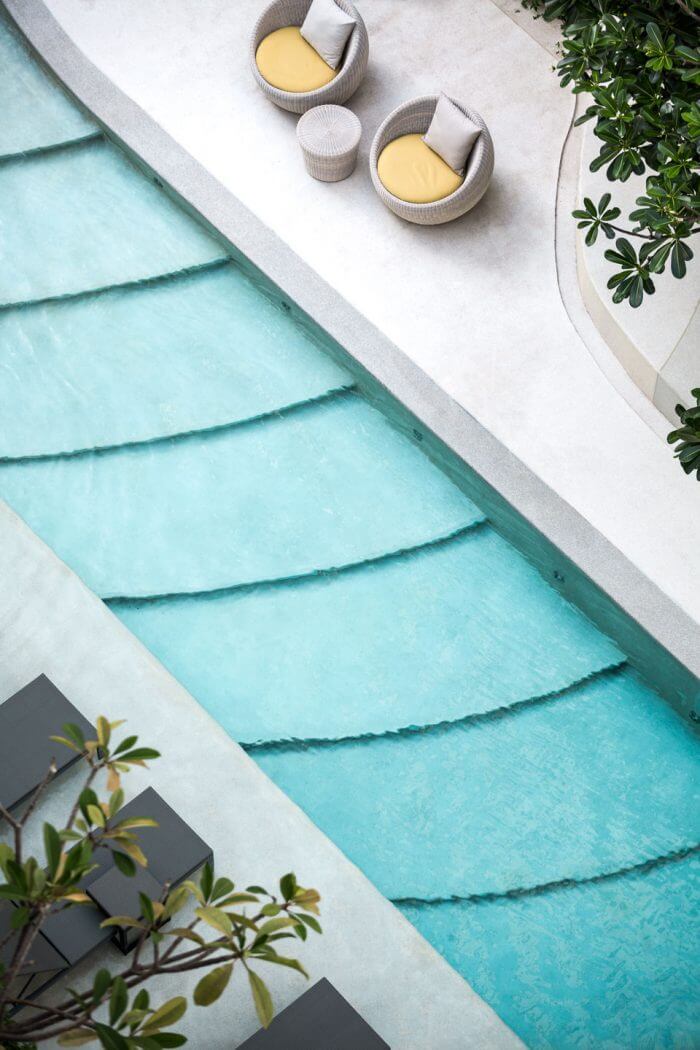
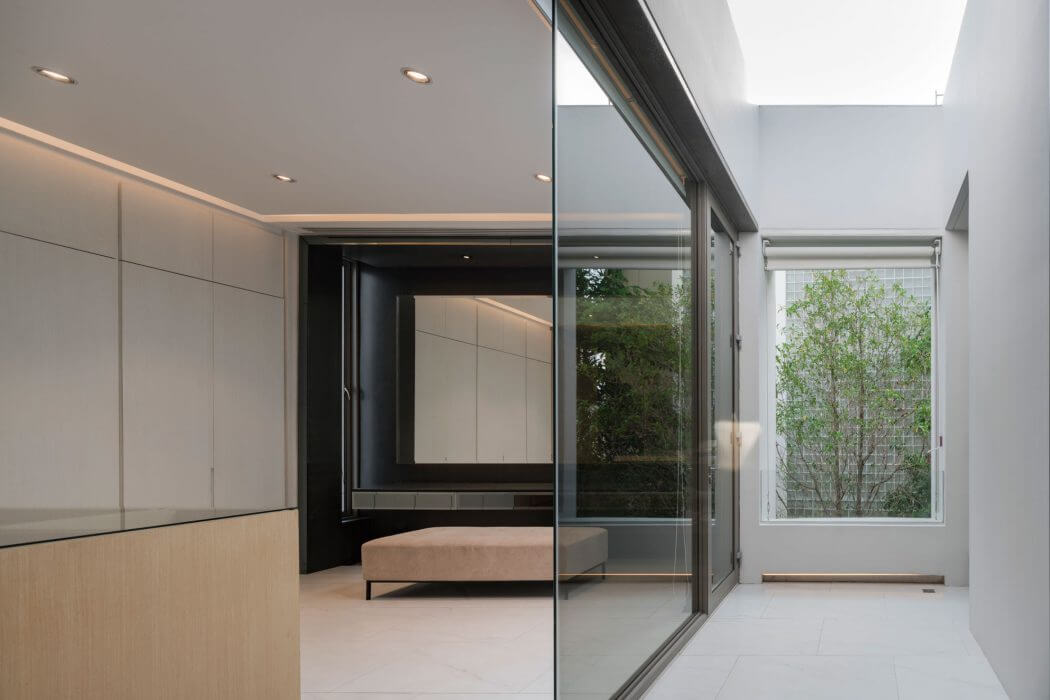
OPENBOX Architects is honored to be part of the conversation on how hospitality brands can be translated into meaningful physical experiences through architecture, interior design, landscape, and guest experience.
Our founder and design principal, Nui Suwannatrai, will join the panel discussion “Designing Brand DNA: Translating Hospitality Brands into Physical Space” at the Hotel Design Summit Thailand 2026, organized by Hospitality Asia Media Pte Ltd.
The session will explore how hospitality brands bring their identity to life through architecture, interiors, atmosphere, materiality, and the way guests move through and remember a place. More than a visual expression, brand DNA in hospitality design is about creating a complete spatial experience, one that connects the brand’s values with the culture, climate, landscape, and lifestyle of each destination.
In today’s hospitality landscape, hotels, resorts, and destination experiences are expected to do more than provide comfort. Guests increasingly look for authenticity, emotional connection, sustainability, wellbeing, and a sense of place. For architects and designers, this means translating brand identity into spaces that feel both globally recognizable and locally grounded.

The discussion will also look at how evolving guest expectations, AI, sustainability, and new ways of thinking about design are reshaping the future of hospitality environments. From early-stage concept creation to detailed spatial sequencing, the role of design is becoming increasingly integrated, bringing together architecture, interior, landscape, operations, and human experience as one cohesive vision.
Reflecting on the design process, Khun Nui shared:
“At the early stage of a project, we work with hospitality brands and project teams to create a seed, the simplest and purest form of an idea. It is amazing to see how the smallest seed, planted in the rich soil of collaboration, can grow into unlimited possibilities. That is the DNA of a project.”
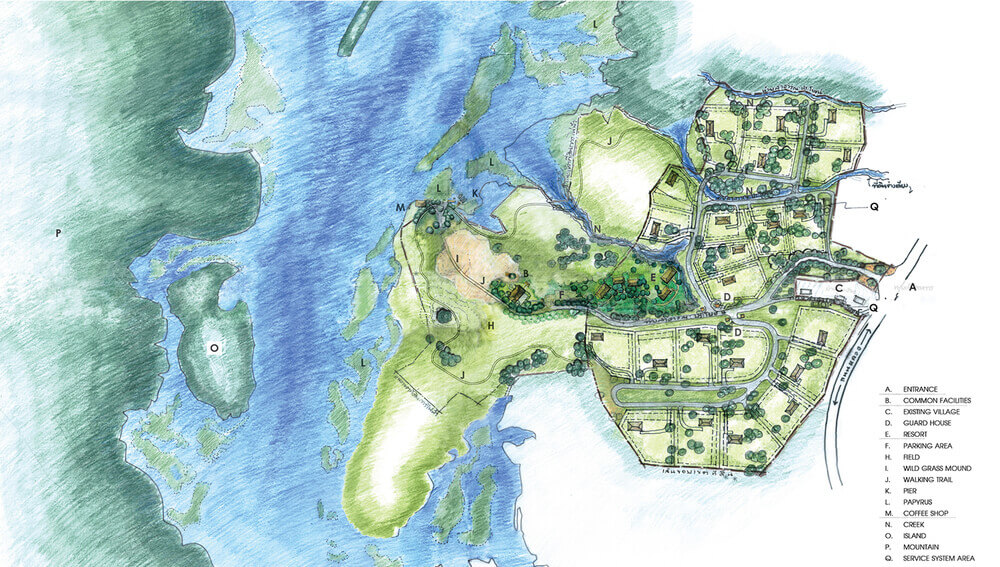
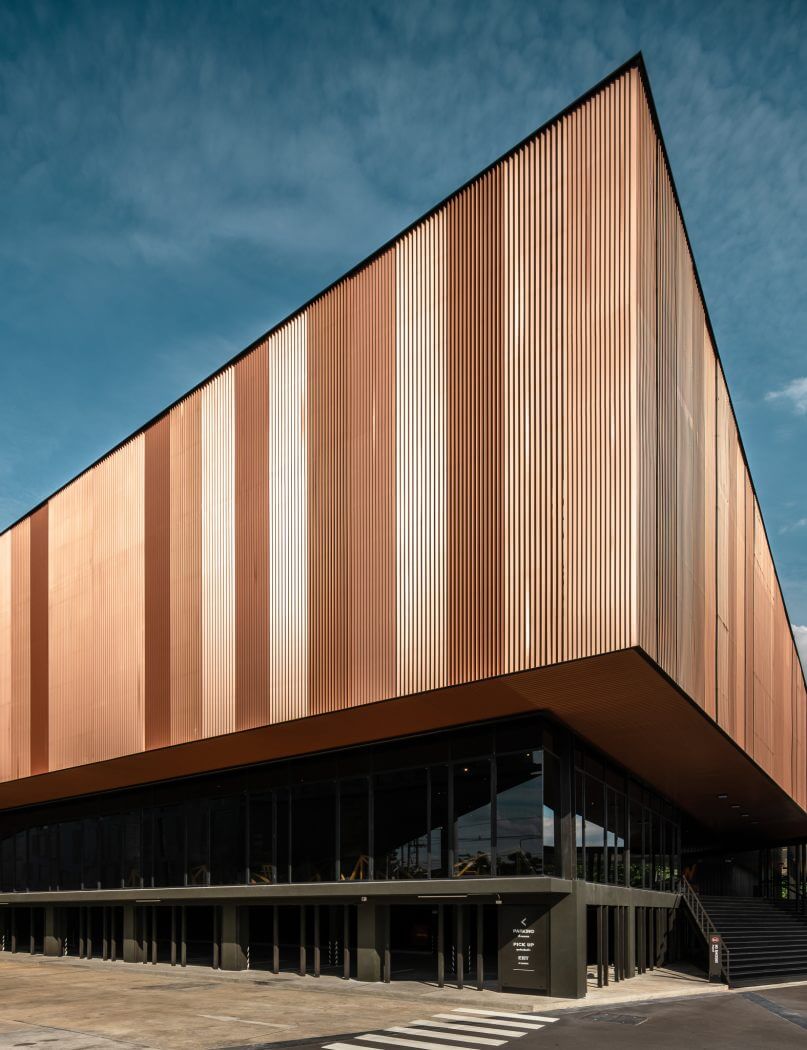
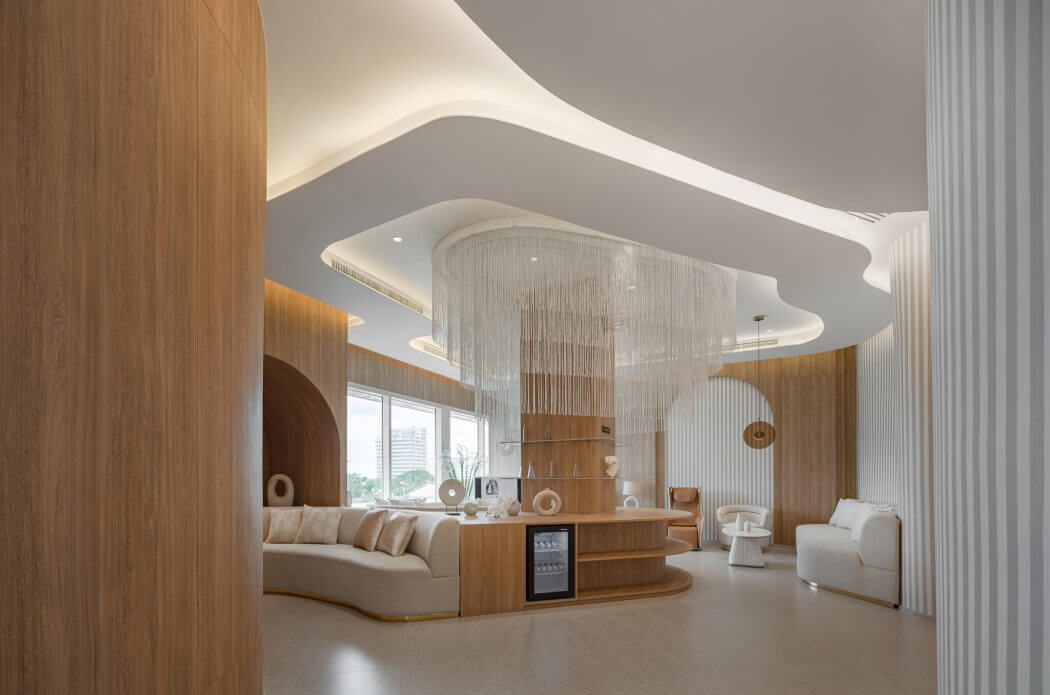
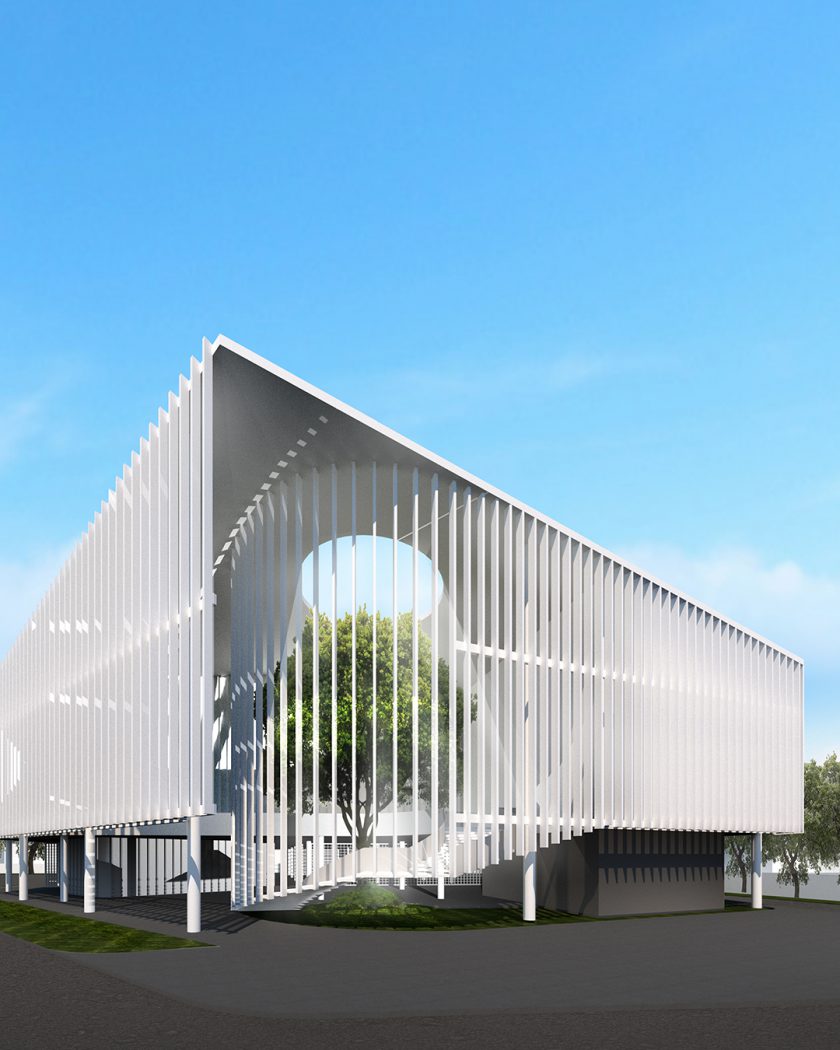
For OPENBOX Architects, brand DNA is not only a guideline or visual language. It is the core idea that shapes how a project is planned, experienced, and remembered. In hospitality design, this DNA may be expressed through the arrival sequence, the transition between public and private spaces, the use of local materials, the framing of views, the rhythm of light and shadow, and the emotional quality of each guest journey.
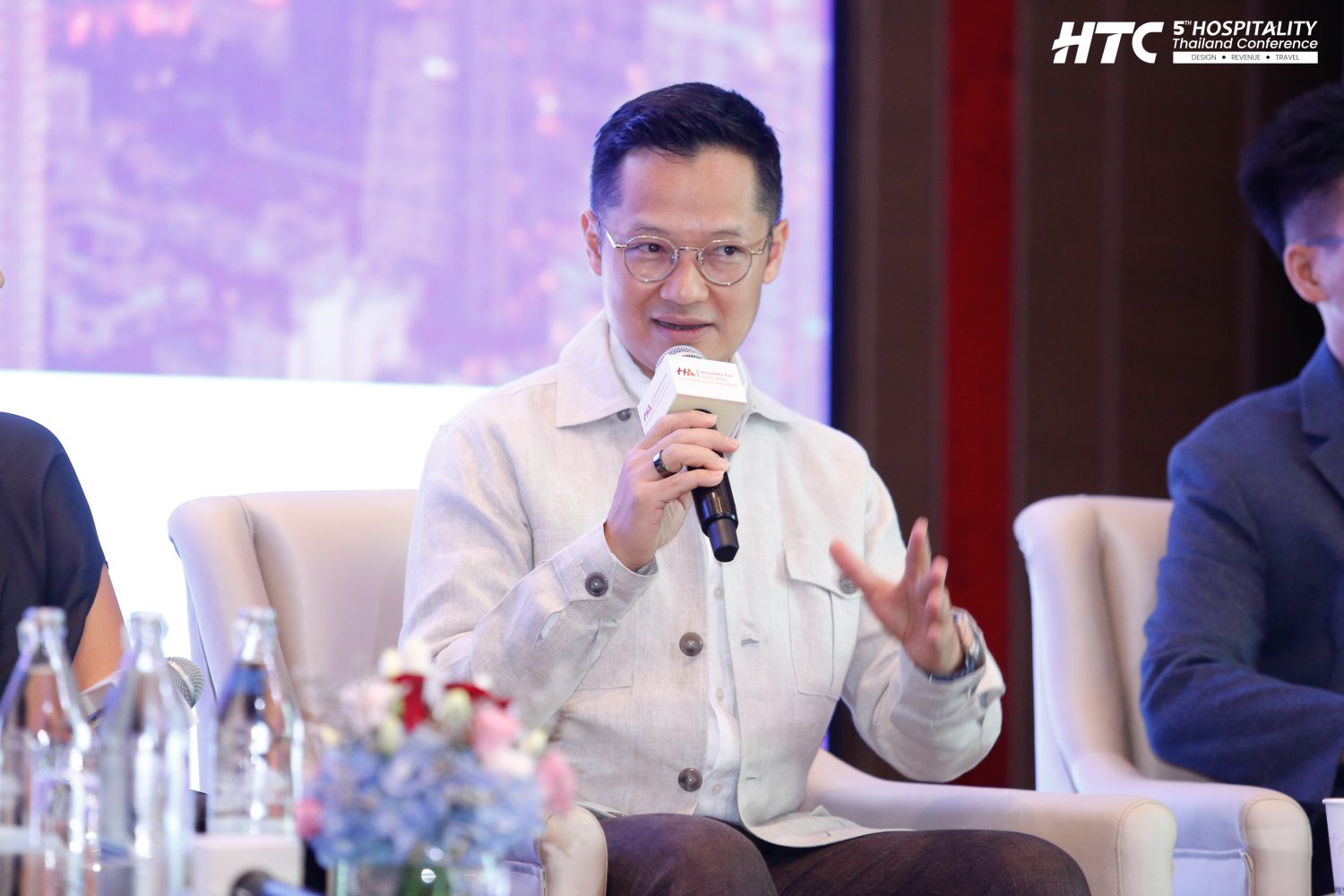
On balancing global brand identity with local character, Khun Nui added:
“The balance between hospitality brand identity and local character is like a specialty chef working with local ingredients. Experiencing architecture is beyond one bite. It is a full-course experience that allows various mixes between brand identity and local character through a sequence of spaces.”
This approach is especially relevant for hotels and resorts in Thailand and across Asia, where hospitality design often needs to respond to both international standards and deeply rooted local contexts. Successful hospitality spaces are those that can preserve the clarity of a brand while allowing the destination to speak through culture, craft, nature, and human experience.
The conversation will also touch on the role of AI in design. While technology continues to change the way architects and designers work, OPENBOX sees AI as a creative tool rather than a replacement for human thinking.
“AI is a tool. It has to be handled by someone to make things happen. Like design tools in the past, from hand drawings to CAD, 3D software, BIM, and integrated cloud models, these tools have made our work easier, faster, and more efficient than ever if we know how to creatively handle them.”
Khun Nui further noted:
“Every time a new design tool comes out, older tools are elevated to become new forms of art.”
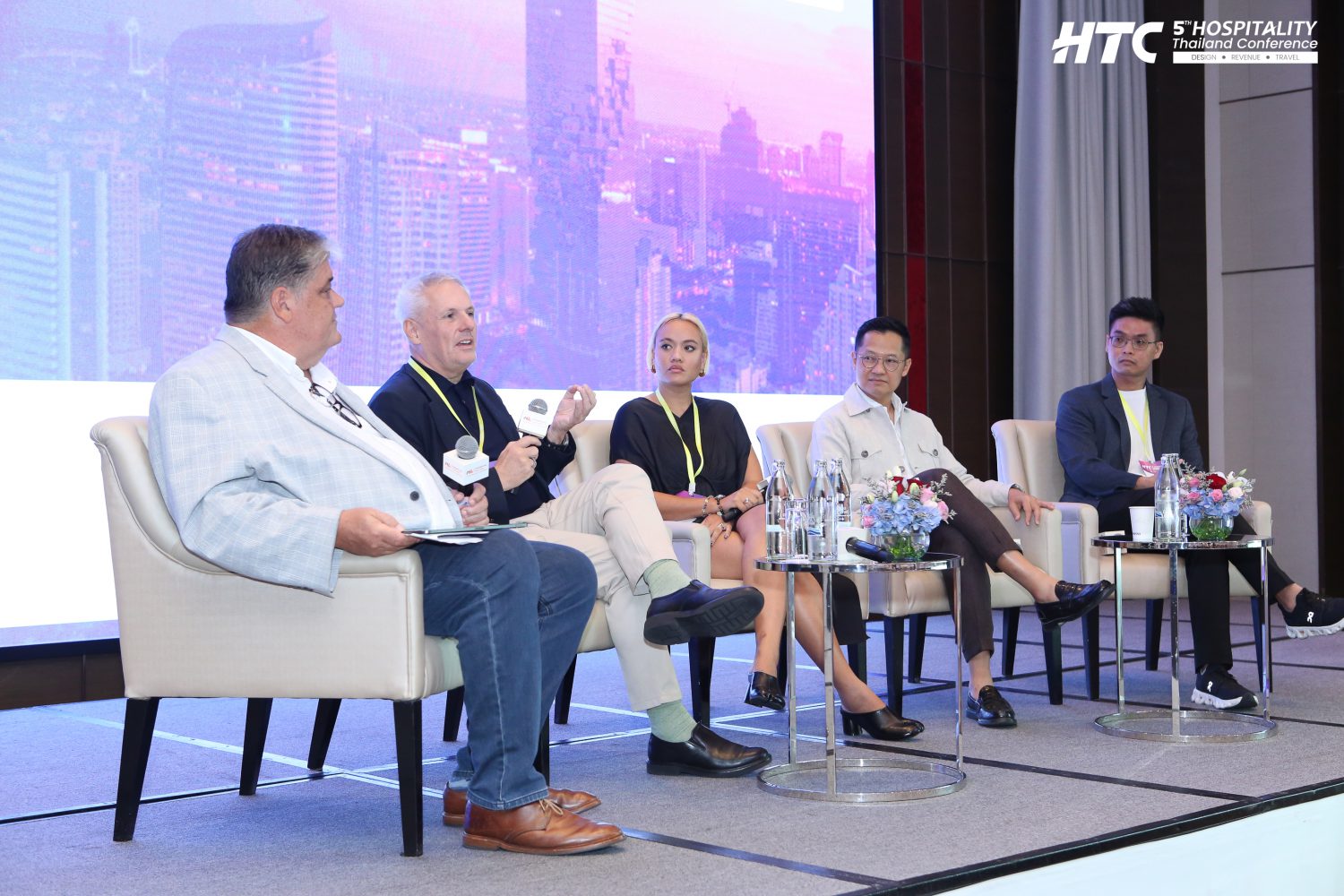
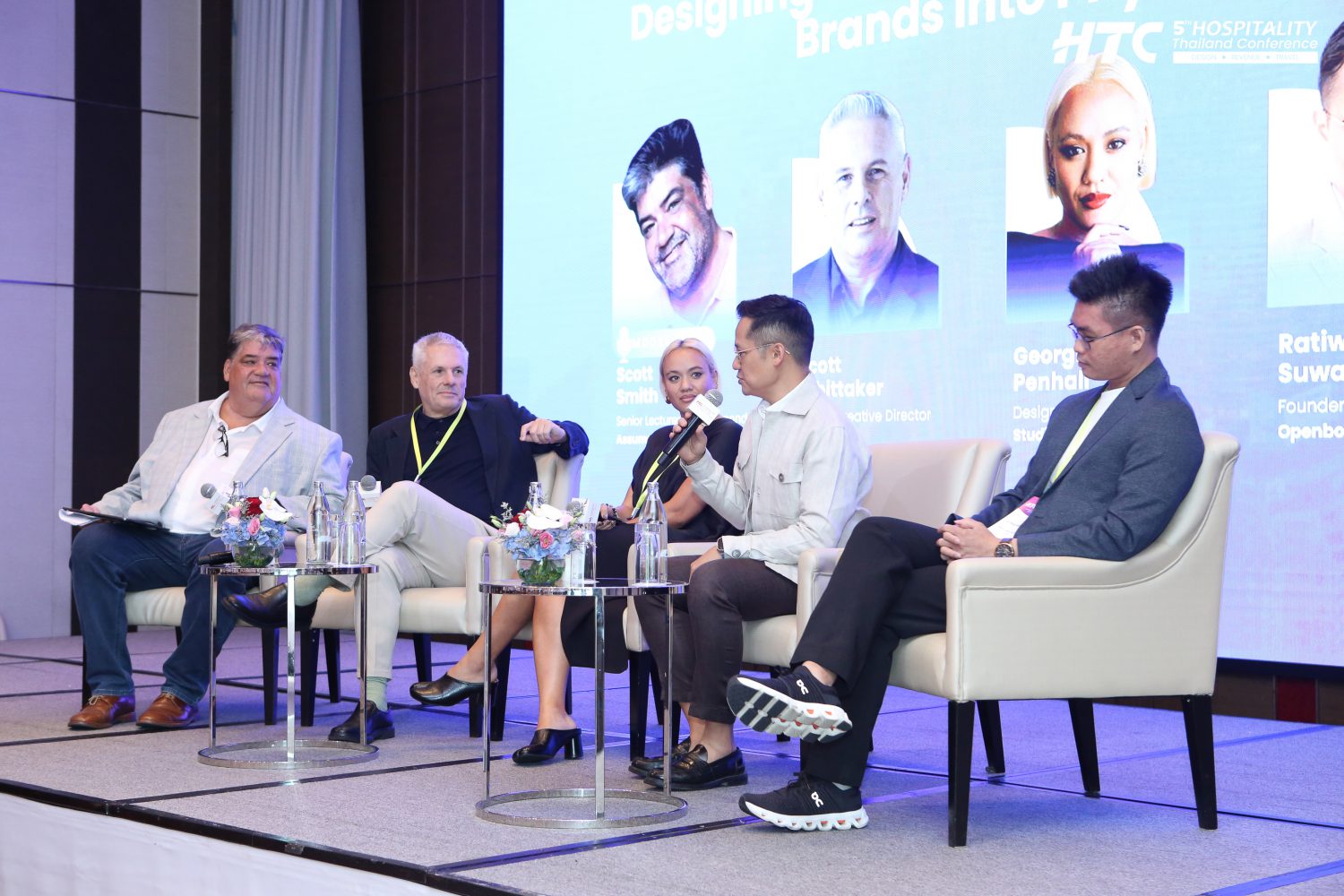
As hospitality design continues to evolve, the ability to create meaningful, memorable, and responsible experiences will become even more important. Architecture and design are no longer only about form or function, but about shaping atmosphere, emotion, and long-term value for both guests and places.
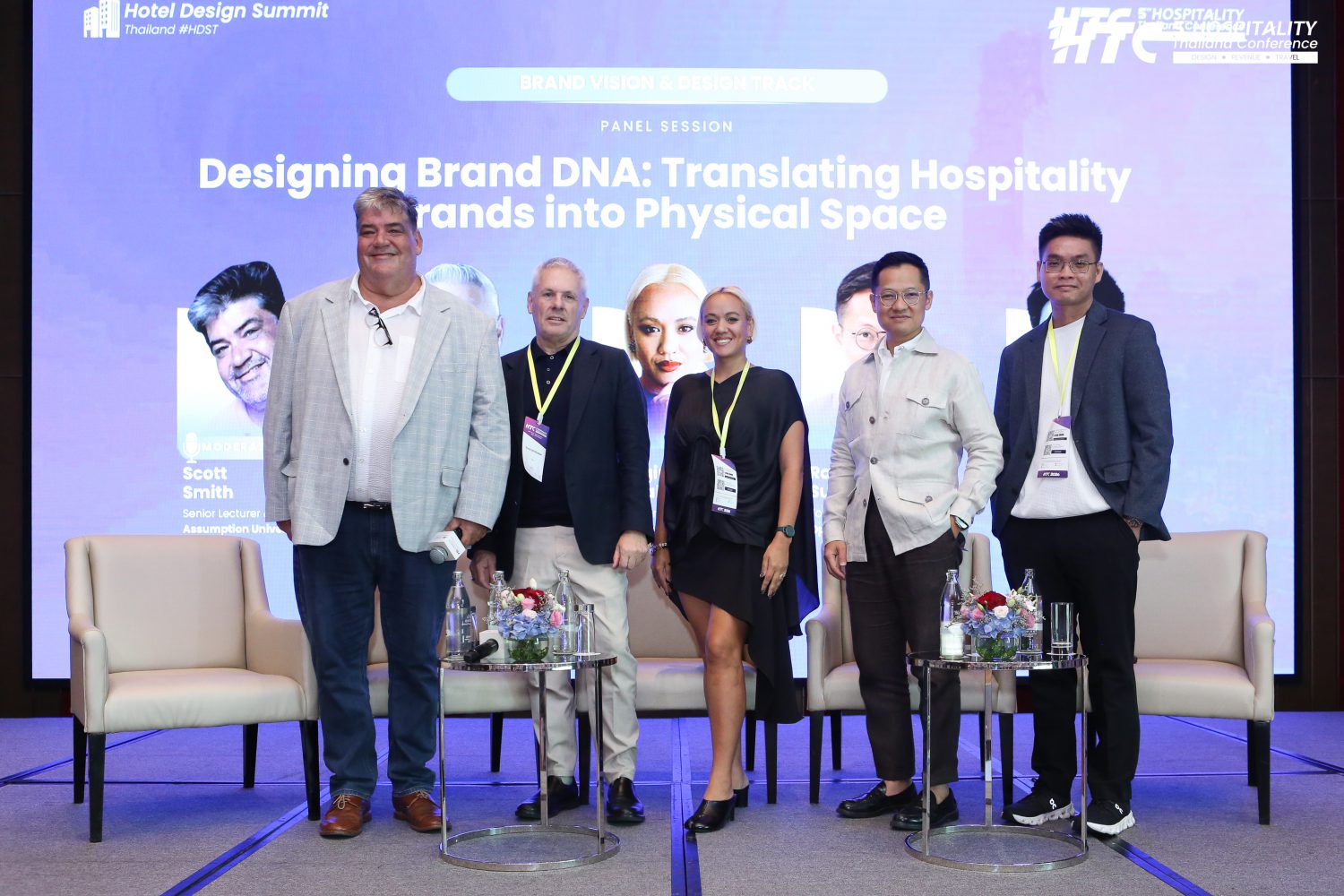
OPENBOX Architects would like to thank Hospitality Asia Media Pte Ltd #HTC2026 for the kind invitation. We look forward to sharing ideas and exchanging perspectives with fellow designers, hospitality leaders, developers, and industry professionals at the Hotel Design Summit Thailand 2026